

Food packaging plays a fundamental role in preserving products and extending their shelf life. The choice of packaging materials directly affects the quality and longevity of food, making careful selection crucial.
Material Permeability: A Key Aspect
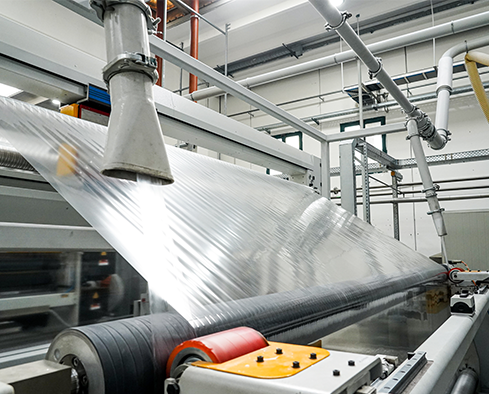
Packaging materials vary significantly in their permeability to gases and water vapor. This characteristic is crucial for maintaining product freshness. Plastic materials used in packaging can be designed to limit oxygen ingress and moisture loss, two factors that impact shelf life.
Advanced Packaging Technologies
The adoption of advanced packaging technologies, such as Modified Atmosphere Packaging (MAP), allows for extended food shelf life. MAP replaces air with gas mixtures that slow down microbial growth and oxidative reactions. This method is particularly useful for products like fresh pasta and cheeses.
Packaging of Dry and Moist Products
Material permeability is also crucial for the packaging of dry and moist products. Materials must be selected based on their ability to retain moisture or prevent moisture absorption, depending on the type of product.
Conclusions and Innovations in Packaging
Choosing the right packaging materials is essential to ensure an adequate shelf life for food products. Innovations such as smart and active packaging offer advanced solutions for monitoring and extending product quality.