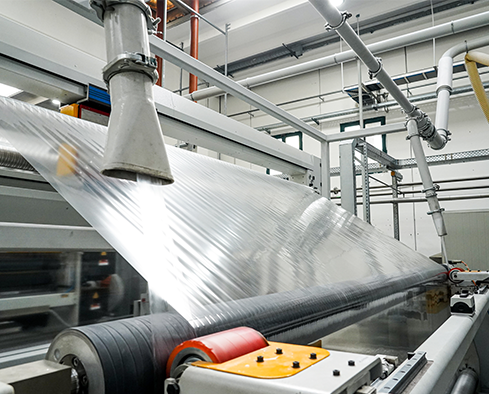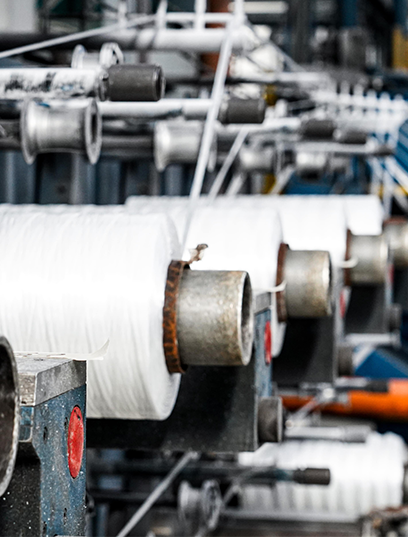


Monomaterial packaging is emerging as one of the most effective tools for improving the sustainability of packaging in the food and industrial sectors. Unlike multilayer composite materials, monomaterial flexible film is made from a single type of polymer—usually polypropylene (PP)—which makes it easier to recycle and more compatible with current waste recovery systems.
What Is Monomaterial Packaging?
Monomaterial packaging refers to packaging in which all structural components (barrier layers, printing supports, sealing films) are made from a single type of plastic. This approach enables more efficient sorting and better results in mechanical recycling processes.
Monomaterial flexible films are among the most in-demand solutions due to their versatility: they can be used for primary and secondary packaging, as well as for the production of sealable pouches and bags.
Environmental and Technical Advantages
- High recyclability: only one material to sort and process
- Lower CO₂ emissions during production and at end-of-life
- Ease of processing: compatible with standard technologies
- Preservation of barrier properties in lighter solutions
Moreover, adopting monomaterial packaging aligns with European circular economy regulations and allows companies to stay ahead of future environmental obligations, avoiding penalties and simplifying waste management.
Applications of Monomaterial Flexible Film
- Packaging for dry pasta, snacks, and cookies
- Pouches for fresh vegetables, cold cuts, and refrigerated products
- Packaging for non-food products, such as detergents and personal care items
Monomaterial packaging is not just an eco-friendly choice—it is an efficient solution that combines technical performance with environmental responsibility.