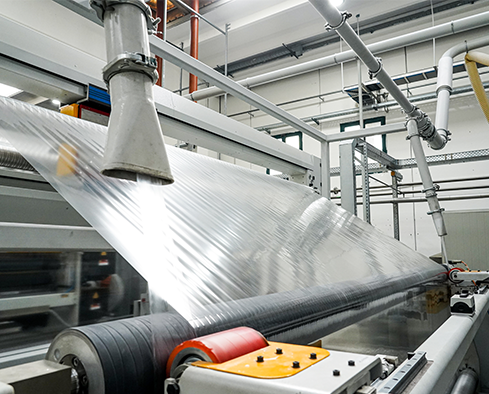


BOPP (bi-oriented polypropylene) films and CPP (cast polypropylene) films represent two fundamental solutions in the flexible packaging sector, thanks to their properties and versatility, which make them suitable for numerous applications.
Film BOPP applications
BOPP films are colorless, odorless, and non-toxic, featuring properties such as high tensile strength, rigidity, transparency, and impact resistance. The main types include:
- Ordinary BOPP film: used for printing, bag production, and lamination with other materials.
- Heat-sealable BOPP film: ideal for making bags due to its ease of sealing.
- Cigarette packaging film: designed for high-speed packaging.
- Pearlescent BOPP film: used in the packaging and printing of food products and consumer goods.
- Metalized BOPP film: used for vacuum metallization, anti-counterfeiting, and food packaging.
- Matte BOPP film: used for packaging soap, cosmetics, pharmaceuticals, and food products.
- Anti-fog BOPP film: perfect for packaging fruit, vegetables, sushi, and flowers.
Although BOPP is not naturally heat-sealable, it can be treated with specific coatings such as PVDC or EVA to enhance this property.
Types of BOPP Films and Thicknesses
- Plain Bi-oriented Polypropylene Film: 10 µm ÷ 40 µm
- Co-extruded Bi-oriented Polypropylene Film: 15 µm ÷ 50 µm
- Anti-fog Bi-oriented Polypropylene Film: 25 µm ÷ 40 µm
- Matte Bi-oriented Polypropylene Film: 12 µm ÷ 20 µm
- Pearlescent Bi-oriented Polypropylene Film: 20 µm ÷ 50 µm
- White Bi-oriented Polypropylene Film: 20 µm ÷ 40 µm
- Metalized Bi-oriented Polypropylene Film: 12.5 µm ÷ 35 µm
Applications of CPP Films
CPP films are known for their high transparency, good gloss, rigidity, as well as heat and chemical resistance. They are ideal for:
- Clothing, knitwear, and flower packaging: due to their transparency and gloss.
- Food packaging: suitable for fresh foods, candies, and baked goods.
- Metalized CPP films: to enhance barrier properties and decorative features.
- Technical applications: such as packaging for hot filling, cooking, and lamination of baked goods.
The manufacturing process of CPP films, based on T-die technology, offers advantages such as uniform thickness and high aesthetic quality, making them an optimal choice for premium packaging.
Types of CPP Films and Their Thicknesses
- Cast Polypropylene Film for Lamination: 20 µm ÷ 100 µm
- Cast Polypropylene Film for Sterilization: 30 µm ÷ 150 µm
- Low-seal Cast Polypropylene Film: 20 µm ÷ 100 µm
- Anti-fog Cast Polypropylene Film: 30 µm ÷ 80 µm
- Peelable Cast Polypropylene Film: 30 µm ÷ 80 µm
- Barrier Cast Polypropylene Film: 35 µm ÷ 100 µm
- White Cast Polypropylene Film: 40 µm ÷ 150 µm
- Cast Polypropylene Film for Thermoforming: 50 µm ÷ 200 µm
Comparison and Complementarity Between the Two Selections
Both materials offer excellent packaging solutions, but BOPP is more versatile for general use, while CPP excels in specific applications requiring heat resistance and barrier properties. Combining both in lamination ensures packaging that is high-performing, durable, and appealing, meeting the demands of an increasingly discerning market.