

Food packaging is not merely a container; it is the first and most important line of defense for the quality, freshness, and safety of the products that reach our tables. One of the fundamental technical concepts in food packaging is the material’s permeability to gases (oxygen, carbon dioxide) and water vapor.
The real challenge today lies in the strategic choice of materials.
Packaging permeability is the secret to a long shelf life
Uno dei concetti tecnici fondamentali nel food packaging è la permeabilità dei materiali a gas (ossigeno, anidride carbonica) e vapore acqueo.
Oxygen is enemy number one. Its penetration accelerates the oxidation of fats (rancidity) and favors the proliferation of aerobic microorganisms. High-barrier materials drastically limit oxygen entry, preserving the flavor and quality of the content. For dry products (biscuits, snacks), the packaging must be impermeable to avoid moisture absorption and softening. For moist products (cheese, meats), the material must limit the escape of water vapor to prevent drying out.
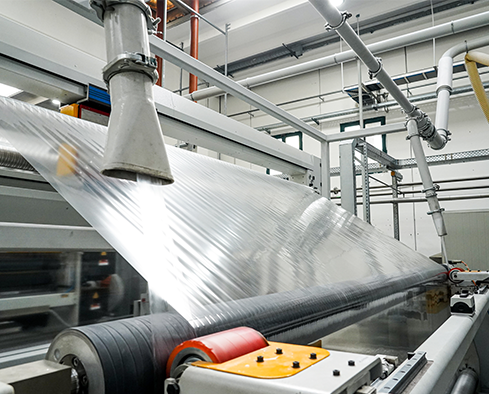
The design of plastic films (such as polypropylene or multilayer materials) with controlled permeability is the element that makes the difference between a short shelf life and an optimal one.
MAP and atmosphere replacement: Advanced technologies
Beyond the intrinsic nature of the material, advanced packaging technologies offer an additional layer of protection:
- Modified Atmosphere Packaging (MAP): This revolutionary technique involves replacing the air inside the package with a mixture of specific gases. MAP slows down deterioration processes, inhibiting the growth of bacteria and mold and reducing oxidative reactions. It is indispensable for highly perishable products such as fresh pasta, red meat, fish, and bakery products.
Innovation leading to intelligent packaging
The future of packaging is moving beyond the simple barrier function. The latest frontiers include:
- Active Packaging: materials that interact with the food or the surrounding atmosphere. Examples include oxygen scavengers (absorbers) or antimicrobial agents incorporated into the film to actively prolong safety.
- Intelligent Packaging: It does not preserve, but monitors. Temperature sensors, freshness indicators, or labels that change color based on the presence of specific gases inform the consumer and the logistics operator in real-time about the product’s preservation status.
The selection and engineering of food packaging are complex processes that require a deep understanding of food chemistry and materials science. Choosing the right material, adopting the appropriate packaging technology (such as MAP), and investing in active and intelligent solutions are the keys to ensuring an extended shelf life, minimizing food waste, and, above all, providing consumers with safe, high-quality products.