

Food packaging plays a crucial role in keeping products safe and fresh during transport, storage, and sale. Advancements in materials and technologies have enabled the creation of more efficient packaging, tailored to both production and sustainability needs. This article explores the main types of food packaging and the materials used, with a focus on innovative and sustainable solutions for the food industry.
The Importance of Food Packaging
Food packaging is more than just a protective covering; it plays an essential role in preserving freshness, maintaining quality, and reducing waste. Selecting the right packaging helps retain the food’s taste, texture, and appearance, ensuring it reaches consumers safely.
A good food packaging must meet safety standards, be durable, and at the same time easy to dispose of, considering its environmental impact. This is particularly important in a context where sustainability has become a priority for both companies and consumers.
Different types of Food Packaging
The types of packaging for food products vary based on the characteristics of the product and the preservation requirements. Let’s take a look at the main solutions available on the market.
Plastic Food-Grade packaging
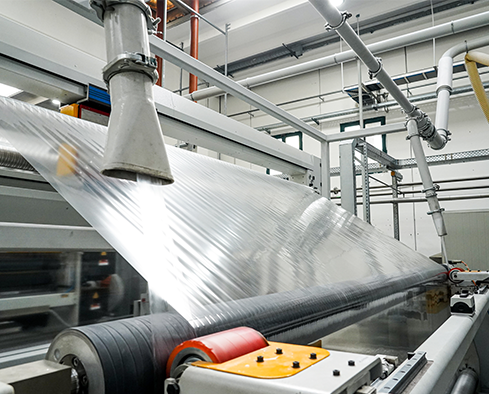
Plastic packaging is widely used for its adaptability and durability, making it ideal for various food types. It conforms to different shapes and sizes, while also being resistant to impacts and temperature changes.
- PET (polyethylene terephthalate): used for bottles and transparent packaging, it is valued for its high strength.
- PE (polyethylene): widely used for bags, wraps, and food films.
- PP (polypropylene): a durable material suitable for packaging foods that require sterilization or microwave cooking.
Sustainable Materials for Food Packaging
In recent years, sustainability has become a key factor in choosing materials for food packaging. Companies are increasingly focused on solutions that reduce environmental impact while maintaining high quality standards.
Bioplastics and Biodegradable Materials
Bioplastics, such as PLA and Mater-Bi, represent a valid alternative to traditional petroleum-based plastics. They are made from renewable resources and are characterized by their biodegradability or compostability, thereby reducing pollution associated with packaging disposal.
Paper and Cardboard
Paper and cardboard are making a comeback in the food packaging sector due to their biodegradability and ease of recycling. They are used for secondary packaging as well as for producing rigid containers, trays, and bags that provide adequate protection for food without harming the environment.
Customized Food Packaging Solutions
Every food product has specific preservation and protection requirements. For this reason, many companies opt for customized packaging solutions that meet both functional and aesthetic needs. Customizing packaging allows products to stand out on the shelf, enhancing visual appeal and improving brand identity.
High Barrier Packaging
For products that require extended preservation, such as perishable foods or packaging in modified atmosphere (MAP), high barrier packaging is the ideal solution. These packages, made from multi-layer materials, protect food from oxygen and moisture, extending shelf life without altering the product’s characteristics.
The Importance of Sustainability in Food Packaging
The growing focus on environmental issues has prompted many companies to seek food packaging solutions that reduce environmental impact. Choosing recyclable or biodegradable materials not only enhances brand perception but also contributes significantly to waste reduction and pollution control.